
Social Institutions
Social Institutions are Musethica’s Main Concert Halls
The concerts in social institutions represent 85 percent of Musethica’s concerts, and the Musethica Programme is already a vital part of the weekly activities of many social institutions. It has a strong and direct social impact, providing audiences with live concerts of the highest quality, and training a new generation of musicians to develop a deeper understanding of their role as musicians in society.
Hospitals
• Oncology units, including chemotherapy rooms
• Palliative care units
• Psychiatrical hospitals for children and adults
• Locked psychiatrical facilities
• Geriatric care centers
• Dermatology ward
• Cardiology ward
• Rehabilitation and recovery centers
• Neurology ward
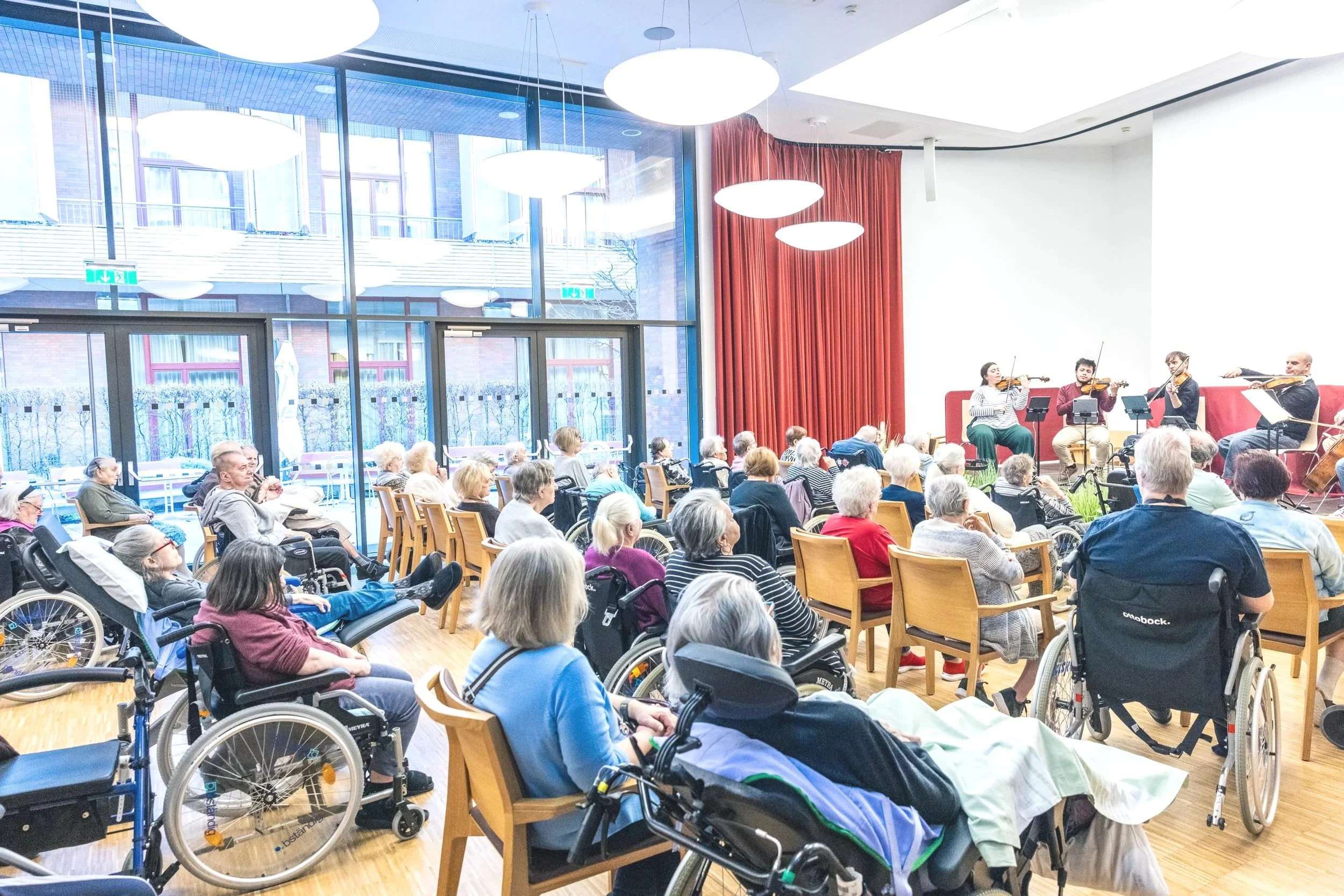
Elderly Care Centers
• Including all types of homes for the elderly
• Hospices
• Dementia units
• Day Care and recreational units
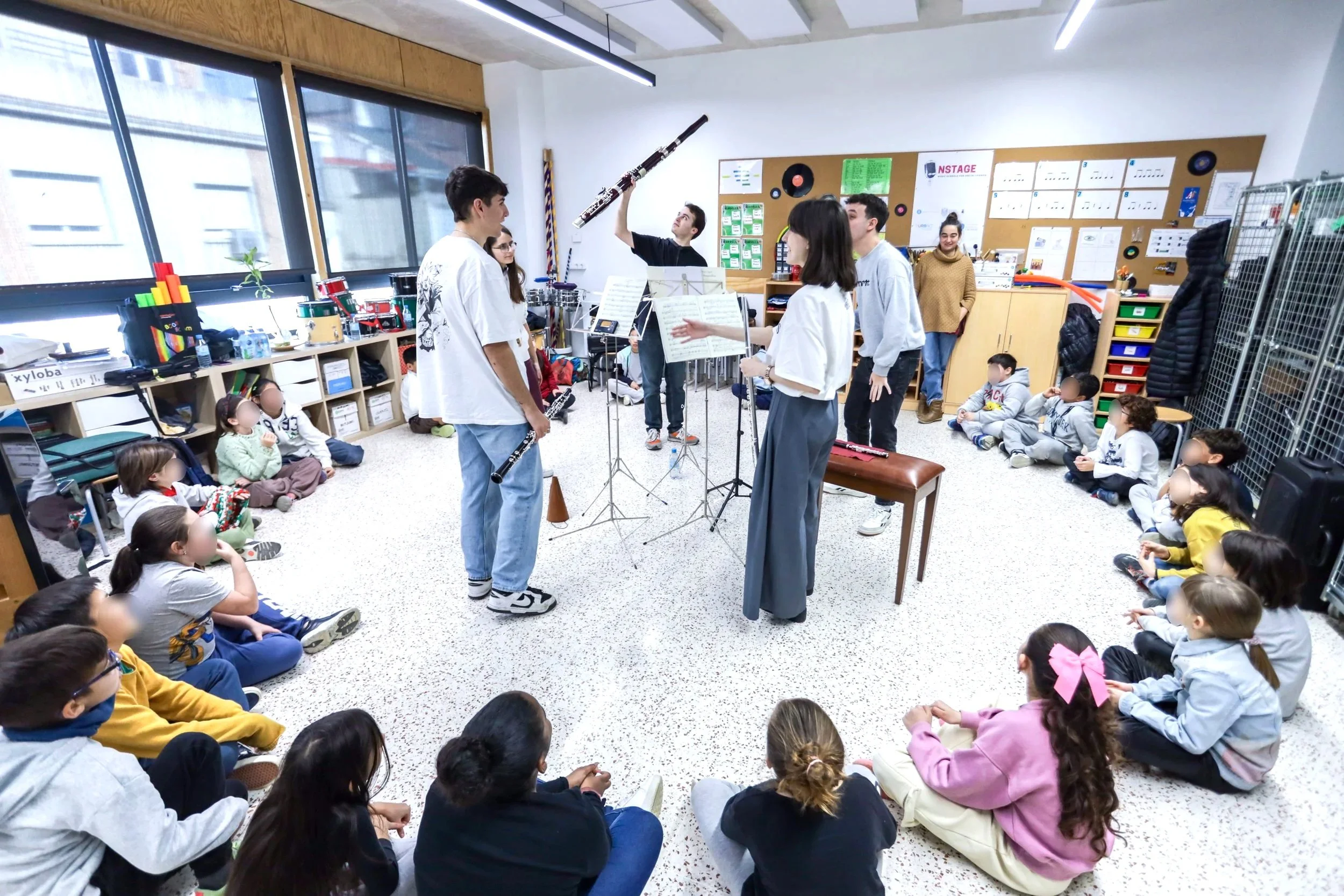
Schools and Pre-schools
• Junior schools and high schools
• Pre-schools
• Special education for children of all ages with physical and/or cognitive disabilities and/or learning/behavioural challenges
• Higher education institutes
• Students of pedagogics
• Orphanages
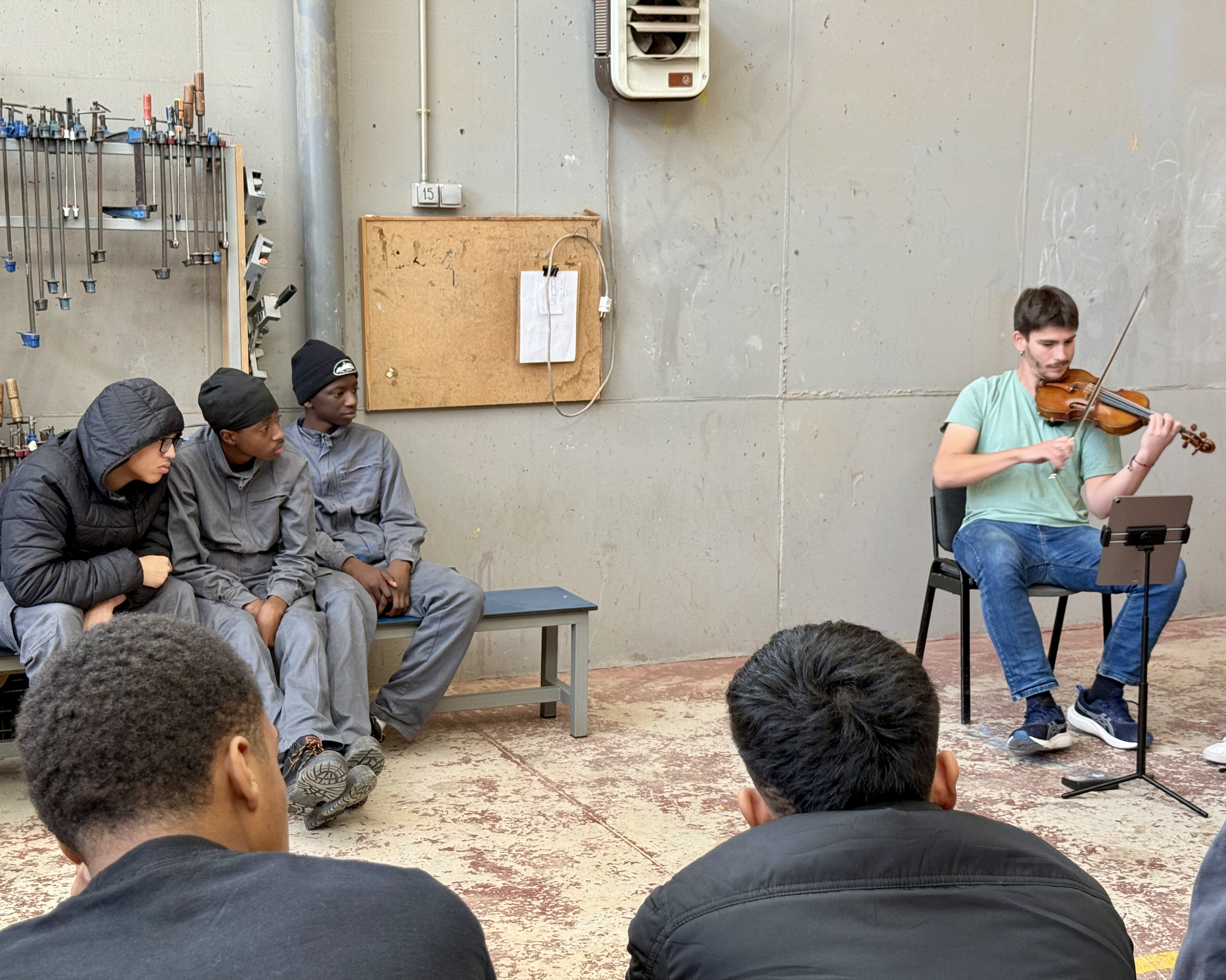
Support Shelters
• Protected apartments for women
• Women day centers
• for internationally Displaced Persons and migrants
• Temporary accommodation for homeless individuals
Special Needs Institutions
• Day centers for adults with mental and/or physical impairments
• Factories and workshops
• Assisted Living Communities and social welfare homes
Correctional Facilities
• Men's prisons
• Women's prisons
• Juvenile prisons
• Immigration detention centers
Social Services Centers
• Support centers for health-related services
• Community and family centers
• Social integration and consultation services
• Youth Day Centers including educational support
• Justice-related social work
• Day Care for substance use disorder/addiction support
Musethica Concerts at Social Institutions
General Information.
• Musethica concerts last between 45 and 60 minutes.
• Musicians perform each concert with the same professionalism as they would in a traditional concert hall.
• There is no need to explain the music in advance. The music speak for itself.
• After each concert, the musicians are happy to discuss the music and the experience with the audience.
The Concert Setting.
• A stage, platform or podium is not required. Concert in smaller settings or everyday-settings (e.g. common rooms) is preferred.
• The musicians only need chairs without armrests and an audience.
• The audience should sit as close as possible to the musicians while allowing enough space for the performers to play comfortably.
The Audiences.
• No prior experience with classical music or concert attendance is required. The goal is a successful shared musical experience.
• No specific behaviour is expected from the public during the concerts.
• Reactions are welcome! While some audience members may listen attentively in silence, others may respond with noises or movements as a sign of engagement.